
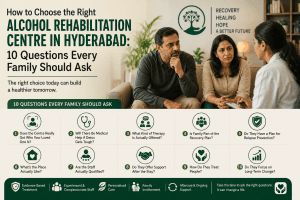
 Choosing a rehab isn’t just another decision—it can shape the rest of your loved one’s life.
When someone you care about is tangled up in alcohol addiction, you want help right away. So you hop online and, boom—dozens of centres pop up, all saying they’re the best, the most successful, the most caring. But you and I both know, not all of them deliver what they promise.
Don’t pick a centre just because their ad looks good or the price fits your budget. Take a few minutes and ask the tough questions. Things like the quality of care, the qualifications of the team, and what kind of support comes after treatment all really matter for long-term recovery.
If you’re searching for an alcohol rehabilitation centre in Hyderabad, here’s what you should look into before you commit.
1. Does the Centre Really Get Who Your Loved One Is?
Lasting recovery starts with the person—not just the addiction. So, check if the centre does a thorough assessment, including:
– Their drinking history
– Physical and mental health
– Family situation
– Past rehab attempts
– What they want to achieve
You want a program that’s built around your loved one, not just some standard plan.
2. Will There Be Medical Help if Detox Gets Tough?
Quitting alcohol isn’t always smooth—withdrawal can get rough. Make sure the centre has:
– A way to check if detox is needed
– Medical staff to watch over the process
– Trained professionals right there if things get tough
Detox is serious, and you want to know your loved one’s safe.
3. What Kind of Therapy Is Actually Offered?
Alcohol addiction isn’t just physical—it hits hard emotionally, too. The best centres offer:
– One-on-one counseling
– Group sessions
– Behavioral therapy for breaking old patterns
– Help with relapse prevention
– Life skills coaching
Recovery means learning new ways to deal with stress and life’s curveballs—without reaching for a drink.
4. Is Family Part of the Recovery Plan?
Addiction strains families. Look for centres that invite the family in, offering counseling to:
– Rebuild trust
– Teach everyone about addiction
– Create healthier dynamics
– Get everyone talking again
Family support makes a real difference for sustained recovery.
5. Do They Have a Plan for Relapse Prevention?
Walking out of the rehab centre isn’t the end—it’s just a new beginning. Ask how the centre helps your loved one:
– Spot their triggers
– Build strategies for tough days
– Set routines that support sobriety
– Get ready to come home
– Keep working on recovery after discharge
Relapse prevention should be part of any serious rehab program.
6. What’s the Place Actually Like?
A safe, supportive environment helps people open up and focus. When you visit, keep an eye out for:
– Clean and welcoming spaces
– Structured schedules
– Privacy and respect
– Staff who care and don’t judge
– A calm vibe that lets people heal
If you don’t feel comfortable, your loved one won’t either.
7. Are the Staff Actually Qualified?
The team makes or breaks the recovery process. Ask them straight up:
– Who’s on the clinical team? (Counselors, psychologists, doctors, addiction specialists)
– What are their credentials?
– How much experience do they have?
You want a group of professionals that can handle everything addiction throws at them.
8. Do They Offer Support After the Stay?
Leaving rehab isn’t the finish line, it’s just another step. Make sure the centre provides:
– Follow-up counseling
– Family support sessions
– Planning for ongoing recovery
– Connections to community groups
– Aftercare programs
Ongoing support helps keep the progress going even when things get tough.
9. How Do They Treat People?
Recovery is rooted in trust. Pick a centre where staff treat everyone with dignity and real empathy—not just as “another case.” A caring attitude encourages people to stay open, ask for help, and really stick with the process.
10. Do They Focus on Long-Term Change?
The goal isn’t just a few sober weeks—it’s a whole new chapter. Look for places helping people:
– Build healthier habits, day by day
– Work on their mental health
– Strengthen relationships
– Grow their confidence
– Stay sober for the long haul
Recovery should support people well beyond the programme’s end.
Red Flags You Shouldn’t Ignore
Some things should make you pause, like:
– Promises of “guaranteed” success
– No clear explanation of their process
– Few or no qualified professionals
– No family involvement
– No aftercare or follow-up help
– Shady communication or dodgy answers
Don’t fall for clever ads—focus on real care and transparency.
How to Actually Pick the Right Rehab Centre
This isn’t a beauty contest or a popularity contest. It’s about finding a place that understands addiction—one that uses proven methods and supports both your loved one and your family.
Take your time. Ask every question you have. Visit if you can. Look for a centre where what they do matches what they say. The care you choose now could shape your loved one’s future.
Frequently Asked Questions
How do I know if a rehab centre is right for my loved one?
Check for individualized treatment plans, qualified staff, family programs, strong therapy options, and clear aftercare support. Ask questions until you’re sure.
Is family counselling really necessary during rehab?
Absolutely. It helps families communicate better, understand addiction, and become a real source of support in recovery.
Should I just pick the rehab closest to home?
Not always. Convenience is nice, but quality of care, evidence-based approaches, and aftercare matter a lot more than location.
What should I ask when I first contact a rehab centre?
Get to the point. Ask about their assessment approach, therapies, detox support, family involvement, aftercare, and who will form the treatment team. Don’t let them dodge your questions.